Monday, March 5, 2018

Pets Need Their Teeth Brushed Too!

DID YOU KNOW THAT FEBRUARY is Pet Dental Health Month? That’s right! Your pets need their teeth taken care of too! While their teeth don’t require quite as much attention as ours do, your pet’s teeth still need a little tender loving care to keep them healthy.

Brush Your Pet’s Teeth

Brushing our teeth removes plaque and prevents gum disease; the same goes for dogs and cats! Brushing your dog or cat’s teeth three to four times per week can prevent dental disease and extend their life. It can also save them a lot of pain and you a lot of money on veterinary visits!

Use The Right Toothpaste

It’s important not to use regular human toothpaste for your pet. Since dogs and cats can’t spit the toothpaste out, the high fluoride content can really upset their stomachs and can even be toxic. You can find toothpaste specifically made for pets that's not only safe, but appeals to their taste buds too!

Chew Toys Help Remove Plaque

Just as chewing sugarless gum after you eat helps increase saliva production and remove plaque, chew toys contribute to your pet’s dental health in between brushing sessions. Getting your pet a chew toy or hard bone can strengthen their teeth and gums as well as scrub plaque off of their teeth!

They Need Regular Checkups Just Like We Do

Biannual or annual visits to your veterinarian help keep your pet’s mouth and body healthy. When you come in to the dentist for your biannual visit, we not only clean your teeth, but check for signs of more serious conditions such as periodontal disease and oral cancer. Routine checkups for your pet are just as essential for their health.

A Healthy Mouth Makes A Healthy Pet

Sadly, statistics suggest that over 80 percent of dogs and cats have some degree of dental disease by the time they are three years old. Remember, a healthy mouth means a happy life. That goes for you and Sparky! If you have any questions about YOUR dental health, call us or come in today!

We love our patients (and their pets)!


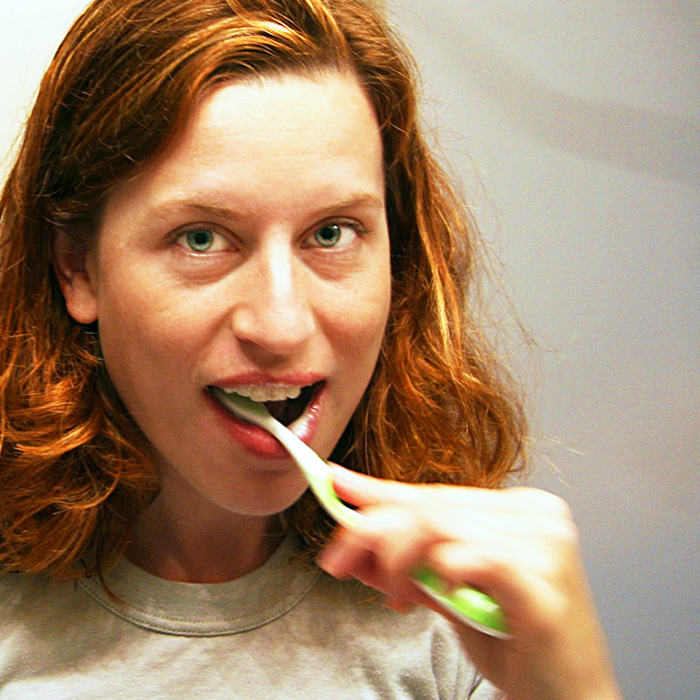
*Image by Flickr user Guian Bolisay used under Creative Commons Attribution-ShareAlike 4.0 license. Image cropped and modified from original.
The content on this blog is not intended to be a substitute for professional medical advice, diagnosis, or treatment. Always seek the advice of qualified health providers with questions you may have regarding medical conditions.

Monday, January 8, 2018

Tooth Fairy Traditions

THE TOOTH FAIRY is one of many childhood fantasy figures we remember fondly. We lost our baby teeth, stuck them under our pillow, and the mysterious tooth fairy would swap our teeth out for money! What could be better?

The tooth fairy isn’t quite the same for everyone though! The legend of the tooth fairy has changed over the years and even varies widely around the world. Let’s learn a little bit more about other tooth fairy traditions!

The Tooth Fairy Legend Began With Ancient Superstitions

Before the tooth fairy went looking under our pillow for baby teeth, she used to look in the ground! In early Europe, burying or burning baby teeth was a precaution taken against witches. It was believed that if a witch got a hold of one of your teeth, they could have complete power over you!

Along with a fear of witches, children were instructed to burn their teeth so that they could have a peaceful afterlife. It was believed that if a tooth wasn’t incinerated, the person would be doomed to spend eternity searching for them.


The Vikings didn’t want to destroy baby teeth, however. They even paid for them! In Norse culture, children’s teeth were believed to bring good luck in battle, so many warriors had necklaces made of children’s fallen out teeth!

Before A Fairy, There Was A Mouse

More recently we’ve seen the development of monetary gifts as a reward for a lost tooth. But not all tooth fairies are pixies with wings… In many Latin countries the tooth fairy is a mouse named Raton Perez! He also retrieves the teeth from under a pillow and leaves money or a gift in return.

How Our Modern Tooth Fairy Came To Be

As with many American traditions, the tooth fairy has roots in European folklore. Instead of burying our teeth in the ground, we “bury” our teeth under our pillow! It is said that our modern conception of the tooth fairy came about in the early 1900s. With the help of Walt Disney’s beloved fairy characters, the idea of a tooth fairy gained popularity and became what it is today!

The Tooth Fairy Plays An Important Role For Children

The legend of the tooth fairy is likely still so prevalent because it helps comfort children when they lose their teeth, an experience that can be traumatic for some. The tooth fairy helps them see this big step as a positive experience and a sign that they are growing up!

As your trusted dental professionals, we want what is best for you and your kids. If you have any questions or concerns about your child’s teeth, call or come into our office!

Thank you for all that you do!


*Image by Flickr user Shardayyy used under Creative Commons Attribution-ShareAlike 4.0 license. Image cropped and modified from original.

The content on this blog is not intended to be a substitute for professional medical advice, diagnosis, or treatment. Always seek the advice of qualified health providers with questions you may have regarding medical conditions.

Monday, November 6, 2017

Annual Dental Benefits – Use It Or Lose It

It’s almost the end of the year again we know that your calendar is quickly filling up.
Having a limited time because of other commitments just take note that it might be worthwhile to add a dental appointment to your schedule.
Did you know that you may be throwing away hundreds of dollars? It’s true! Most dental insurances reset at the onset of the new year and any unused benefits will disappear. By using your dental insurance benefits before the new year starts, you could be saving yourself hundreds of dollars!
Some dental insurance plans run on a fiscal year but most run on a calendar year. If your dental insurance plan is on a calendar year, these are the 4 reasons you should definitely give us a call and make an appointment now.
1. Unused Benefits Get Wasted
Every dental insurance plan has a yearly maximum and this is the most money that the plan will pay for your dental treatment within one full year. While the amount varies among insurance companies, the yearly maximum usually renews each year on January 1st. These benefits do not roll over to the next year and must be used by December 31st. So, if you have unused benefits left for 2017, remember that by the 1st of January 2018 they will be forfeited and lost.
2. Take Advantage of Your Premiums
If you are paying your dental insurance premiums every month, then take advantage of them and use them to your benefit. If you do not use your benefits, your insurance company keeps it, and it will all be a waste. Even if you don’t need any dental treatment, it is still important to get regular dental cleanings to help prevent and detect any early signs of cavities, gum disease, oral cancer and other dental problems.
3. Your Annual Deductible Resets
Your dental insurance deductible is the amount of money that you must pay to your dentist out of pocket before your insurance company will pay for any dental services. This fee varies from one plan to another and like your yearly maximums, they don’t roll over to the next year. If you have used your insurance at all this year, you’ve probably paid some towards your deductible already. In fact, you may have already paid your deductible and what’s left if your coverage.
4. Dental Conditions Can Worsen
Many patients need dental treatment, whether it’s a professional cleaning of your teeth, or restorations to treat bad decay. By postponing a dental treatment, you are risking more extensive and expensive treatments in the future. Addressing dental issues now, rather than putting off treatment can prevent problems from getting worse, which could save you even more money compared to waiting. What may be a simple cavity now, could turn into a tooth loss later or root canal later.
So request an appointment today or calls us to schedule and use those benefits. Do not wait until late December to reserve an appointment with Dr. Eddie Faddis.  Treat your teeth with care now and they will thank you for it in the long run.

Call us and we can work with your insurance company to see what you still have available for benefits this year. You can reach our office at 801-785-8835.

Monday, September 4, 2017

Be Prepared For Dental Emergencies


INJURIES ALWAYS SEEM TO HAPPEN when we least expect them. Picture yourself at an outdoor gathering, having fun, when suddenly a crying child runs up to you, knocked-out tooth in hand. Would you know what to do?

Dental First Aid Saves Teeth

Knocking out or fracturing a tooth is especially distressing—just thinking about it can make you uncomfortable! But knowing what to do within the first hour after dental damage occurs can save the tooth. Here’s your plan of action:

1. Carefully recover the tooth.

Pick up the tooth by the crown, do not touch the root. If necessary, gently rinse the tooth in water or milk, but do not scrub or brush the root.

2. Don’t let the tooth dry out.

If possible, put the tooth back in the socket and hold it in place with fingers or by gently biting on gauze. If you can’t reimplant the tooth, keep it in milk (not water) or inside the cheek until you can find help.

3. Seek professional dental care immediately.

You’ll have the best chance of saving the tooth if you get to a dentist or emergency room within an hour.

Prevent Injuries Before They Happen

Accidents happen, but there are many steps you can take to prevent dental damage! These include:

~wearing a mouthguard for sports
~not chewing ice and other extremely hard foods
~using scissors to open packages, not your teeth

Teeth are strong, but they can only last a lifetime if you do your part to keep them safe and healthy!

No Matter What Happens, We’re Here For You

Part of what makes dental injury so traumatic is the thought that the damage could be permanent. We’re here to assure you that even if a tooth cannot be saved, we have the knowledge and tools to restore your smile! Should a dental emergency ever occur, see us as soon as possible.


Thanks for reading! We treasure the trust you place in our team as your lifelong dental health partners. Remember to protect your teeth!

*Image by Flickr user Melissa Wiese used under Creative Commons Attribution-ShareAlike 4.0 license. Image cropped and modified from original.

Monday, July 10, 2017

Managing Tooth Sensitivity

IF THERE’S ONE THING we can all agree on, it’s that nobody likes sensitive teeth! Tooth sensitivity can cause discomfort during daily tasks such as brushing, flossing, eating, drinking, and even breathing in a cold gush of air!

If you are experiencing tooth sensitivity, there are measures you can take to relieve pain and treat discomfort.

Start By Visiting Your Dentist

If you are concerned about sensitive teeth, seek a dental professional’s help first. Tooth sensitivity, while common, can also be a sign of something more serious. Your dentist can help identify what the underlying cause of your sensitivity is and prescribe the best treatment option for you and your smile! After an evaluation, your dentist might recommend:

Desensitizing toothpaste: This type of toothpaste is specially formulated to soothe the nerve endings in the tooth and reduce pain.
Bonding agent: This is the material used to stick tooth colored restorations to teeth. It can also be used to seal the dentin surface and protect sensitive areas from outside stimuli.
Fluoride: Your dentist may apply fluoride to sensitive areas. This strengthens tooth enamel and treats pain.
Limiting acidic foods and drinks: Carbonated beverages, citrus fruits, wine, yogurt, etc. are acidic and, when consumed frequently, can remove small amounts of tooth enamel over time. Drink acidic liquids with straws to avoid contact with teeth.

A Good Oral Hygiene Routine Can Help You Avoid Sensitivity

Proper brushing and flossing can prevent conditions such as gum disease which is known to cause gum recession. When gums recede, part of the tooth root is exposed, leading to sensitivity. Over-brushing or brushing too aggressively can also lead to receding gums and even enamel erosion—both of which cause sensitivity.

When Whitening Your Teeth, Consult With Your Dentist

Tooth sensitivity is a common side effect of teeth whitening. To avoid or diminish sensitivity after whitening, consider using a lower concentration of whitening product and reduce the amount of time the bleach is in contact with the teeth.

Always consult with your dentist before whitening as he or she can help determine the best treatment options for you. If you or someone you know has particularly sensitive teeth, there are additional steps we can take to help avoid and relieve the sensitivity caused by whitening.

We Can Help With Tooth Sensitivity

Although sensitivity is common, there are things we can do to help relieve and reduce the discomfort that it causes. No one should have to live with tooth pain. Call us or come in today so we can help you achieve a pain-free smile!

To our wonderful patients, we appreciate you!

*Image by Flickr user Dave Herholz used under Creative Commons Attribution-ShareAlike 4.0 license. Image cropped and modified from original
The content on this blog is not intended to be a substitute for professional medical advice, diagnosis, or treatment. Always seek the advice of qualified health providers with questions you may have regarding medical conditions.

Monday, May 1, 2017

Mouthwash, is it necessary in dental health?

HAVE YOU EVER WONDERED if mouthwash is actually a necessary part of your dental hygiene routine? If you’d like to use mouthwash as a part of your daily oral care, it’s important to know what it is and what it does.

What Purpose Does Mouthwash Serve?

We learn at a very early age that daily brushing and flossing are necessary habits to clean our teeth and care for our gums. But you may begin to wonder: “What more can mouthwash do for me?”

Mouthwashes are used for more reasons than you may realize, some of those being:

~to freshen breath
~help prevent or control tooth decay
~reduce plaque
~prevent or reduce gingivitis (the early stage of gum disease)
~reduce the speed that tartar (hardened plaque) forms on the teeth

We’re Here To Help You Improve Your Oral Health Care Routine!

One of the most important things to remember is that rinsing your mouth with mouthwash does not replace daily brushing and flossing! Mouthwash is meant to act as an aid to brushing and flossing, helping to freshen breath and fight bacteria. We recommend using an alcohol free and anti-bacterial rinse.  If you have any more questions about mouthwash, let us know!

Thank you for your trust in our practice!

*Image by jchwhite used under Creative Commons Attribution-ShareAlike 4.0 license. Image cropped and modified from original.

The content on this blog is not intended to be a substitute for professional medical advice, diagnosis, or treatment. Always seek the advice of qualified health providers with questions you may have regarding medical conditions.


Monday, April 3, 2017

The Link Between Osteoporosis And Gum Disease

WHAT DO OSTEOPOROSIS and gum disease have in common? Bone loss! For anyone with gum disease, osteoporosis, or both… it’s important to know about the correlation between these two conditions.

How Does Gum Disease Cause Bone Loss?

Are you surprised to hear that gum disease can contribute to bone loss? The first stage of gum disease, gingivitis, rarely affects bone structure. But if it progresses to advanced periodontitis, then the infection spreads beneath the teeth to destroy connective gum tissue AND supportive structure in your jaw.

Those With Osteoporosis May Have 85% Greater Periodontitis Risk

A recent study showed an alarmingly high correlation between low bone density and gum disease risk. Bone density was measured using a FRAX score (fracture risk assessment tool). Even disregarding common risk factors like age, smoking, or diabetes, it was shown that patients with osteoporosis have an 85% greater likelihood of periodontal disease.

More research is needed to find the reason for this correlation. However, one factor is important to note: advanced gum disease degrades bone mass in the jaw. For those with already-low bone mass, thanks to osteoporosis, the risk is even greater. Gum disease can very quickly cause a lot of damage.

We’re Looking Out For Your Whole-Body Health

So, if you have gum disease, along with other possible risk factors for osteoporosis, don’t be surprised if we ask you the last time you had a checkup with your doctor. After looking at a dental x-ray, we may recommend that you have your bone health assessed.

In the meantime, take good care of your teeth. Gum disease can be worrying, but it’s preventable with good personal care habits and frequent visits with our team.

The relationship between osteoporosis and gum disease is just one example of the mouth-body health connection. The more we learn, the more we see that what happens in your mouth doesn’t just stay in your mouth. Dental health has an effect on your entire body.

Let us know if you have any questions about your dental health. We’re honored to be your partners in oral health care.

*Image by Flickr user Erin Borrini used under Creative Commons Attribution-ShareAlike 4.0 license. Image cropped and modified from original.

Monday, March 6, 2017

Don’t Let Dental Anxiety Keep You From A Healthy Smile

HAS IT BEEN A WHILE since you visited the dentist? Does anxiety or worry about discomfort account for your absence? If fear is preventing you from enjoying the health benefits of regular dental appointments, here’s our plea: give us a chance to change your mind!

Let Us Help You Stop The Cycle

Far too many of us get caught in a terrible cycle. Out of fear, we procrastinate dental visits until tooth pain or discomfort is severe. That procrastination results in tooth decay or gum disease. Faced with the prospect of restorative treatment, we once again avoid care, which leads to further decay and disease.

Wouldn’t it be nice to have simple, easy checkups—and dental health peace of mind after each visit?

We’ve worked successfully to restore the health of many anxious patients, and we can help you too!

At Our Practice, We Prioritize Your Comfort

We offer Nitrous Oxide and IV Sedation for your appointments that can be a great option for anxiety. We also have Netflix to watch or an I-Pod loaded with a variety of music to listen to during your appointment that are tools that help calm nerves.

Try Transferring Your Anxiety Somewhere Else!


Hey, it could help! If worrying about things is just part of your nature, try taking all that worrying and transferring it to things that make more sense to worry about. Use this video as practice.

Find Your Happy Place At Our Dental Office

We know it may sound too simple to be true, but we believe that you should enjoy your visits with us! We’ll work with you and plan a way to make you comfortable with your dental care. Give us a call, or share this message with a friend.

Thanks for trusting our practice with your dental needs.

*Image by Flickr user Holly Lay used under Creative Commons Attribution-ShareAlike 4.0 license. Image cropped and modified from original.


Monday, February 6, 2017

Protect Your Child From Baby Bottle Tooth Decay

DO YOU EVER put your baby to bed with a bottle? It may seem harmless. But if the bottle is full of milk or juice, it may begin to erode their teeth.

Acid-Producing Bacteria Cause Baby Bottle Tooth Decay

Baby bottles full of milk or juice are also full of sugars that combine with bacteria to produce acids. When a baby drifts off with a bottle still in his or her mouth, the fluid pools around teeth and slowly erodes the enamel throughout the night.

The result can be painful tooth decay—also known as caries—and/or the need for crowns or extractions. In addition, since children’s teeth are still coming in they’re more susceptible to decay beneath the gum line. This decay can become so severe that delicate surgery under a general anesthetic is sometimes required to remedy the problem.

Protect Your Child’s Teeth From The Start

Give your child’s teeth the best protection you can, from the start! Dental health habits should begin before your child even grows their full set of baby teeth.

Baby teeth may be temporary, but they’re essential for your child’s health and development. They help your child eat and learn to speak. They also play an important role in guiding permanent teeth as they grow in properly.

We’re Here To Help

We’re here to help you help your child during this important time of life. If you have any questions about your child’s dental health, please send them our way. You can give us a call or reach out to us on Facebook! We’re excited to join forces to make sure your child has excellent oral health.


We appreciate your trust in our practice!

*Image by Flickr user Zhao ! used under Creative Commons Attribution-ShareAlike 4.0 license. Image cropped and modified from original.

Monday, January 9, 2017

Our Hidden Superpower: Smiling!

SMILING AT SOMEONE can turn their whole day around. But have you ever thought about the impact the act of smiling has on YOU? Smiling is a hidden superpower that can change our lives for the better if we let it!

Smiling Has Numerous Health Benefits

Did you know that frequent smiling can actually make us healthier? Smiling reduces stress and increases health and mood enhancing hormone levels, such as endorphins. Smiling also helps to lower our blood pressure.

Perhaps even more surprising, smiling can extend our lifespan! A study conducted at Wayne State University in 2010 found that baseball players who smiled in their pictures lived seven years longer on average than those who weren’t smiling in their photos.

Smiling Makes Us Happy

While we generally think of smiling as the result of feeling happy, smiling, even when we don’t feel like it, can actually improve our mood and emotional disposition. In other words, pasting a smile on your face, even if you’re faking it, can make you feel happier!

Here’s why: when we cause our facial muscles to form a smile, our brain’s circuitry of emotion and happiness is activated—whether the smile is genuine or not! A study conducted in the UK found that one smile can provide the same level of brain stimulation as up to 2,000 chocolate bars. What’s more, a smile can be as neurologically stimulating to your brain as receiving $25,000!

Smiling Helps Us Connect With People

One of our most primal instincts as human beings is to smile. Part of the joy of being around a newborn child is seeing them smile! Before they start smiling in the waking hours, they smile involuntarily in their sleep. 3-D ultrasounds show that developing babies even smile in the womb. Simply put, we’ve been smiling since before we were born!

And as it turns out, smiling is absolutely contagious! When we see another smile, it’s pretty hard not to smile ourselves. If you or I observe another person’s smile, mirror neurons will fire in our brain, giving us the sensation that we ourselves are smiling. So, smiling not only makes you feel good, but everyone around you as well!

We Love Your Smile!

Smiling has the power to get you through the good times and the bad! As your trusted dental professionals, we’re here to help you maintain a healthy, beautiful smile so that it can brighten your life and the lives of others. Remember, when in doubt, smile!

Thank you to our wonderful patients! We appreciate you!


*Image by Flickr user Giorgio Minguzzi used under Creative Commons Attribution-ShareAlike 4.0 license. Image cropped and modified from original.
The content on this blog is not intended to be a substitute for professional medical advice, diagnosis, or treatment. Always seek the advice of qualified health providers with questions you may have regarding medical conditions.

Monday, December 5, 2016

Foods That Naturally Whiten Teeth

REGULAR BRUSHING AND FLOSSING remain your best protection against tooth decay and gum disease. However, there are some tooth-friendly foods out there that will help you maintain a bright, healthy smile and even naturally whiten your teeth!

Here are some foods that help whiten your teeth.

Fruits And Veggies

Fruits such as apples and strawberries contain malic acid which removes surface stains from your teeth and whitens enamel. Strawberries are also beneficial in that they contain ellagitannins—antioxidants that are known to reduce stain-attracting bacteria and inflammation in your mouth.

Furthermore, apples—along with celery, carrots and pears—have a high water content. This increases production of saliva, which washes away bacteria in the mouth. Pears are also great for neutralizing odor-causing bacteria on teeth that lead to bad breath.

Pineapple is the only food that naturally contains bromelain. Guess where else we can find bromelain? In stain-removing toothpaste! Bromelain is a compound that has anti-inflammatory and cleansing properties and is effective in removing surface stains from your teeth, resulting in a brighter smile.

Natural Scrubbers

Other foods act as a natural brush due to their abrasive texture. Broccoli, seeds and nuts, and, yet again, apples, scrub your teeth and naturally remove bacteria and plaque. Eat these foods in the afternoons to clean and polish your teeth, giving them a brief midday brush. What’s more, broccoli is high in fiber and iron, resulting in a lower risk of inflammation in your mouth and greater protection against enamel-degrading acids produced by bacteria.

Dairy

Cheese and milk are full of calcium, which we all know is very good for teeth and bones. Calcium, as well as other minerals and proteins found in dairy products, protect tooth enamel from erosion and decay. They also don’t stain your teeth like coffee, wine, or beets would.

More Than Just Brushing

Achieving and maintaining a healthy, bright smile is more than just eating foods that can damage your teeth (mainly sugary drinks and candy, as well as refined, starchy foods) and then brushing the consequences away. To keep your mouth clean and smile white, avoid foods that can damage or stain your teeth, and opt for some of the healthier options mentioned above. Your teeth will thank you for it!

Thank you for being our valued patient and friend.

Image by Flickr user Artotem used under Creative Commons Attribution-ShareAlike 4.0 license. Image cropped and modified from original.


Monday, November 7, 2016

USE IT OR LOSE IT!

It is that time of year again when everyone's calendar is filling up and the end of the year is sneaking up on us!   We want to remind you to take advantage of those 2016 Dental Insurance Benefits and Flex dollars.  While some insurance plan run on a fiscal year, most run on a calendar year... if your plan is a calendar year, here are some important reasons to call and schedule an appointment today.

Yearly Maximum- This is the amount your insurance company will pay for your dental work within one full year.  This amount varies by insurance companies averaging between $1,000- $2,000 per year, per person in your family.  This maximum usually renews every year, but if you have unused benefits they do not roll over to be used the next benefit period...use it or lose it!  You pay the premium for the benefit and therefor should be using it.  Most dental insurance companies pay 100% of the cost for your preventative dental checkups that also include all diagnostic x-rays, examination and routine cleaning.  Insurance companies have figured out that it saves them money for their insured to visit their dentist biannually because they catch problems when they are small rather than waiting for problems such as toothaches, broken teeth, oral cancers and gum disease.  

Call us today at 801-785-8835 to find out how to maximize your dental benefits by year end.

Monday, October 3, 2016

Wisdom Teeth: Why Do We Have Them?

WHEN DENTISTS SEE emerging wisdom teeth are going to cause dental problems, wisdom tooth removal is likely in the cards.

Wisdom teeth–also known as the third molars–received their nickname because they emerge during young adulthood, when a person has a little more wisdom. But why do we wait until the late teenage years to address the issue? In fact, if wisdom teeth so often cause complications, why has nature given them to us at all?

Wisdom Teeth Have Ancient Roots

The most widely accepted theory behind wisdom teeth suggests we look to our ancestors in the distant past for answers. Early humans had a much different diet than we do today: roots, raw meat, tough plants—foods that would have required a lot of grinding. Big, wide molars were the perfect teeth for the job, and that third set of molars would have helped them immensely! They also had larger jaws to accommodate these extra teeth.

Today, we have smaller jaws and eat much softer foods, but our genes still produce third molars! When they don’t have enough room to emerge properly, wisdom teeth can begin erupting at angles of 45 degrees or more—even horizontally! When teeth grow where there isn’t space for them, they cause a lot of problems.

When Is Removal The Right Decision?

Wisdom teeth emerging at bad angles or crowding other teeth can damage oral health. They might not even emerge at all, becoming impacted below the gum surface. In either case, they can cause constant pain and infection, weaken bone structure, and undo orthodontic work.

You might ask why wisdom teeth aren’t addressed in early childhood. It’s because they actually don’t begin forming until around age 10! All teeth (adult teeth included) begin forming in the jaws during fetal development—except for wisdom teeth.

We Treat Each Wisdom Teeth Case Individually

There are the lucky few that have no problems with their wisdom teeth. It is possible for them to emerge at the right angle, with enough space, and not have to be removed.

Each case is unique, and by getting to know your unique dental profile, we will prescribe the best dental health solution—without any unnecessary treatment. From diagnosis to wisdom teeth removal recovery, we’ll be there every step of the way to provide the best in advice and care.

Thank you for choosing us as your family’s lifelong dental health partners. We treasure the trust you place in our practice!


Image by Flickr user Celestine Chua used under Creative Commons Attribution-ShareAlike 4.0 license. Image cropped and modified from original.
The content on this blog is not intended to be a substitute for professional medical advice, diagnosis, or treatment. Always seek the advice of qualified health providers with questions you may have regarding medical conditions.

Monday, September 19, 2016

How Do Your Brushing Habits Compare?

WE’RE SUPPOSED TO BRUSH twice a day for two minutes each time. How many of us actually do that? See how you measure up!

From a recent poll:

49% of men brush their teeth only once a day.

57% of women brush their teeth only once a day.

And, the average person only brushes his or her teeth for 30 seconds each time—not nearly long enough! That’s only one-fourth of the time really needed!

Brush Softer, And Take The Full 2 Minutes

Many choose to brush more vigorously to save time. Although it’s quicker, brushing aggressively can wear down tooth enamel. If you brush harder than needed, remember to brush gently but thoroughly for the full two minutes.

Think About Your Brushing Technique

For the deepest clean possible, brush at a 45-degree angle in small circular motions around all tooth surfaces. One of the biggest places for build-up is around the gum line. If neglected, gums can become swollen and infected because of plaque left behind.

Clean Your Tongue!

The tongue is the biggest bacteria host in the mouth! If you only brush your teeth, the bacteria left on your tongue transfers to your teeth, making them dirty again. Remember to clean every area of the tongue. If you experience a gag reflex when using a toothbrush, consider trying a tongue scraper. A clean tongue helps keep your teeth clean, and it helps keep your breath fresh!

We Love Your Smile

We’re focused on helping your smile look and feel its best! We’re committed to your overall health as well. Remember, brushing twice a day for two minutes each time is a necessity, not a recommendation.

Thanks for reading our blog, and happy brushing!

*Image by Flickr user Taz used under Creative Commons Attribution-ShareAlike 4.0 license. Image cropped and modified from original.

Monday, September 5, 2016

A Custom Mouthguard Can Save Your Smile

PROTECTION DURING sports and other extreme activities can potentially save your teeth and gums from serious, or permanent damage.

Cheap over-the-counter mouthguards may seem appealing because of the low price tag, but without the correct protective properties, cheap mouthguards could cost an athlete more in the long run.

Not All Mouthguards Give Equal Protection

Contrary to custom-fitted athletic mouthguards, over-the-counter options are often uncomfortable to wear and do not provide the proper amount of protection to the teeth and mouth. On the other hand, custom mouthguards are far more comfortable because they are made to fit your mouth specifically.

Other benefits of custom mouthguards include:
~easy breathing and improved speech for maximum endurance and clear communication
~a secure fit that stays in place during impact
~professionally sized to any mouth size
~resistant to irritation of sensitive gums
~reduced risk and severity of dental injuries
~rated for the highest level of protection
~minimal discomfort and inconvenience when worn

Mouth Protection Is An Investment

Although personalized athletic mouthguards have a higher cost than over-the-counter options, they can potentially save you from serious expenses from injuries sustained from insufficient protection.

We Want To Help Protect Your Smile

Investing in a custom mouthguard can make all of the difference for you and your family’s oral health. While participating in sports and other activities is fun, it’s important that you protect your beautiful smile while doing so! Let’s talk about your unique and individual oral safety needs. If you or someone you know are in need of a custom mouthguard or have questions about custom mouthguards, please contact us.

Thank you for being our valued patient and friend!

*Image by Flickr user Torrey Wiley used under Creative Commons Attribution-ShareAlike 4.0 license. Image cropped and modified from original.

Monday, August 22, 2016

What Every College Student Should Know About Dental Health

GOING OFF TO COLLEGE can drastically throw off a young adult’s normal at-home routine. Brushing and flossing, making healthy eating choices, and keeping up with routine appointments can become difficult for college students.

Late Night College Life Can Be Hard On A Smile

One of the biggest lifestyle changes for college students is the surge in late-night study sessions and all-nighters. To stay awake, many students consume large amounts of coffee, energy drinks, or soda. These can be super bad for teeth. Drinking plenty of water is one way to help reduce the risk of cavities and tooth decay caused by the increase in acidic and sugary drinks.

At the end of these long stretches of caffeinated studying, it is important that students brush, floss and rinse before going to bed or starting the new day.

Snacking is also common during late-night study sessions which can be detrimental to oral health. If snacks are consumed, choose healthy ones. It’s better to snack on things like dairy products, fresh produce and nuts than candy, dried fruit and other sticky, sugary foods.

Wisdom Teeth

Wisdom teeth come in during our late teens and early twenties. Our evaluation of patients’ wisdom teeth growth and placement can be very important for college students. Together we can determine whether or not they need to be removed and can prevent pain and discomfort that could potentially interrupt studies.

New Year, New Habits

With a new school schedule and a new lifestyle, students should be aware of new habits they’re creating. How has sugar intake changed? Is brushing and flossing routine? Are regularly scheduled hygiene appointments being kept?

During college, normal routines are disrupted, so if you’re a college student (or if you know one to remind) be sure to keep up with regular exams and cleanings. We want to help you keeping your smile happy and healthy so you can focus on what’s important–your studies!

Thank you for being part of our practice family!


*Image by Flickr user CollegeDegrees360 used under Creative Commons Attribution-ShareAlike 4.0 license. Image cropped and modified from original.


Monday, August 8, 2016

The “Musts,” “Shoulds,” And “Coulds” Of Dentistry

MANY OF OUR PATIENTS tend to wonder, “Which procedures are required, and which are optional?” We welcome this question! We understand that time and finances restrict us from doing all we wish we could, so we need to prioritize.

Many Dental Procedures Are Either “Musts,” “Shoulds,” Or “Coulds”

“Musts” include the basics of preventative care, including regular cleanings and check-ups. It may also include those procedures which protect you from pain and severe damage, like a cap on a cracked tooth.

“Shoulds” can vary greatly from patient to patient, depending on their personal risk and condition. If you’re at high risk for tooth decay, we may recommend more preventative procedures. “Shoulds” may also include aspects of a more thorough smile restoration.

Many healthy patients wish to explore “coulds” that can help them achieve a more beautiful, comfortable smile. If you’re curious about procedures that could take your smile to the next level, ask us!

Remember, Preventative Care Is NOT Optional

Many are tempted to demote dental cleanings and checkups to “could” status. However, preventative care is a “must” for a healthy mouth. We may recommend certain procedures, or more frequent cleanings and checkups, because you’re at risk for severe problems. This prevents much bigger (and more expensive) procedures down the road.

We Treasure Your Trust

We want to be a long-term, trusted healthcare provider to you and your family. That means that we’re not just here for a quick buck. It’s much more important to us to build a relationship of trust. We believe that this is the best way to provide effective care, and keep your mouth and body feeling its best. It’s also the best way that we can be a thriving practice, proud of the care that we provide.

Thanks for your trust in our practice.

*Image by Flickr user Ben Smith used under Creative Commons Attribution-ShareAlike 4.0 license. Image cropped and modified from original.

The content on this blog is not intended to be a substitute for professional medical advice, diagnosis, or treatment. Always seek the advice of qualified health providers with questions you may have regarding medical conditions.

Monday, July 18, 2016

Are Cavities Contagious?

WE ALL KNOW it’s possible to catch a cold from someone who’s under the weather. Did you know cavity-causing bacteria can be passed from person-to-person too?

Bacteria Is At The Root Of Cavities

While sugary treats often take the blame for causing cavities, the real culprits for tooth decay are bacteria. Streptococcus mutans and Streptococcus sobrinus are bacteria which stick to our teeth and eat food particles left behind from our last meal, producing acids which threaten gum health and cause tooth decay.

And just like cold-causing bacteria, these bacteria like to travel.

Bacteria Travels From Person-to-Person

Whether it’s through sharing a drink or kissing a loved one, cavity-causing bacteria can be passed from person-to-person the same way many other bacterial infections can. Studies have shown that “catching a cavity” is not only possible, it happens far more often than you might think.

One of the most common transmissions is from parent and child. Cavity-causing bacteria is commonly passed along to a child when a mother or father tastes food to ensure it’s not too hot or when he or she “cleans” a pacifier by sucking on it before handing it over.

Take Simple Steps To Stop The Spread of Bacteria

What can you do to reduce your risk of transmitting these cavity-causing bacteria to someone else?
Floss and brush frequently.
Chew sugar-free gum—this promotes saliva production and washes away plaque and bacteria).
Be mindful of drinks and eating utensils you’re sharing and the risks that are involved.
Be aware of other behaviors which may spread these bacteria.

Trust Our Practice For Solutions

Nobody wants to inadvertently “catch a cavity.” Our practice is committed to providing you with the best information possible to help you create a healthy and resilient smile. If you have any questions about this, be sure to ask us! We love visiting about your oral health. You can also comment below and reach out to us on social media.


Thank you for reading our blog! We value our relationship with you as our patients and friends

*Image by Flickr user bigbirdz used under Creative Commons Attribution-ShareAlike 4.0 license. Image cropped and modified from original.
The content on this blog is not intended to be a substitute for professional medical advice, diagnosis, or treatment. Always seek the advice of qualified health providers with questions you may have regarding medical conditions.

Monday, July 11, 2016

Oral Health And Hearing: Brushing Is Music To Our Ears

HAVE YOU EVER HEARD your favorite music performed live? You likely noticed things that often don’t come across in a low-quality recording—the exact texture of the instruments and richness of the sound, for example. The parts of our auditory systÃ¥em that pick these things up are delicate, and can be dulled by trauma or disease.

What does this have to do with brushing your teeth? A lot, actually! Research is making it clear how far-reaching the benefits of good oral health are, including links to reduced risk of hearing loss.

It All Begins With Bacteria

Our mouths are home to billions of microbes of many different species. Many of them aren’t anything to worry about, but some of the more harmful microbes in dental plaque cause inflammation and tooth decay. If not removed by regular brushing and flossing, these bacteria will work their way into the bloodstream through infected, irritated gums.

Once inside the circulatory system, they inflame and narrow blood vessels in other parts of the body. When blood vessels that feed the auditory system are restricted, the fragile “hairs” that pick up sounds in the inner ear—called stereocilia—can be damaged, leading to hearing loss. And here’s the kicker: stereocilia don’t grow back.

3 Keys to Reduce Risk of Hearing Loss

Hearing loss occurs naturally with age—in fact, it affects about one out of three people by age 65. But there are steps each of us can take to reduce the risk and severity of the problem. Here are three easy-to-remember points:
Maintain good oral hygiene. Twice daily brushing and daily flossing will keep inflammation-causing bacteria from causing problems.
Wear hearing protection like earplugs or earmuffs if you work around constant loud noises.
Turn down your music, especially young people with headphones. If someone can overhear it in your headphones, it’s probably too loud.

Oral Care Improves All Areas of Life

Hearing is just one part of life preserved or enhanced by good hygiene. It’s impossible to ignore how much oral care, or the lack thereof, affects day-to-day living.

We have a “big picture” view of dentistry as an essential component of overall health, so our advice and treatment is focused on making lasting improvements to quality of life!

Thanks for reading! We look forward to talking with you during your next visit.

*Image by Flickr user Will Keightley used under Creative Commons Attribution-ShareAlike 4.0 license. Image cropped and modified from original.
The content on this blog is not intended to be a substitute for professional medical advice, diagnosis, or treatment. Always seek the advice of qualified health providers with questions you may have regarding medical conditions.

Monday, June 20, 2016

A Smile To Be Proud Of At Any Age

AGING BRINGS CHANGES. Some of those changes we love, and some drive us crazy. But every change is better when you have a caring professional on your side.

Many believe that lost teeth are inevitable with the progressing years. That’s simply not true! With proper care, your teeth can last a lifetime. And with modern techniques and technology, you can be proud of your smile for just as long.

We’ll Help You Care For Your Aging Smile

Every patient, and especially those over age 50, need to care for their gums! Gum disease, not tooth decay, is the number one cause of missing teeth in adults. As we age, our resistance to infection (including infections that cause gum disease) lowers.

However, daily brushing and flossing, together with close care from our team, will keep your teeth and gums healthy. Some patients may need more frequent cleanings, special tools, or specific procedures like root planing and scaling, in order to maintain or restore gum health.

Understand The True Value Of Your Smile

As we age, we understand the wisdom in taking good care of ourselves. Not just for our own sake, but for our loved ones, as well.

Your smile is integral to your health and happiness. Social interactions, the way we talk and eat, and the way we feel about ourselves are all affected by the state of our smile. A beautiful, cared-for smile is key for looking and feeling healthy as we age.

One more wonderful thing often comes with age: the time and ability to pursue our own interests and passions. Take this opportunity to invest in your smile, and enjoy the positive effect that it will have in all aspects of your life!

It’s Never Too Late For A Beautiful Smile

If you believe that you’ve missed your chance for a beautiful smile, take another look! Recent developments make the dentures of 10 years ago look like ancient history. Even small procedures can subtract years, and add to your health and confidence.

Thanks for your trust in our practice. We love our patients and we love seeing you smile. Let us know what we can do to protect, preserve, and restore your smile.


Thank you for reading and for being our valued patients and friends.

*Image by Flickr user Christopher Michel used under Creative Commons Attribution-ShareAlike 4.0 license. Image cropped and modified from original.
The content on this blog is not intended to be a substitute for professional medical advice, diagnosis, or treatment. Always seek the advice of qualified health providers with questions you may have regarding medical conditions.